Application Note

Utilizing PIDs (for VOCs) during IAQ Investigations

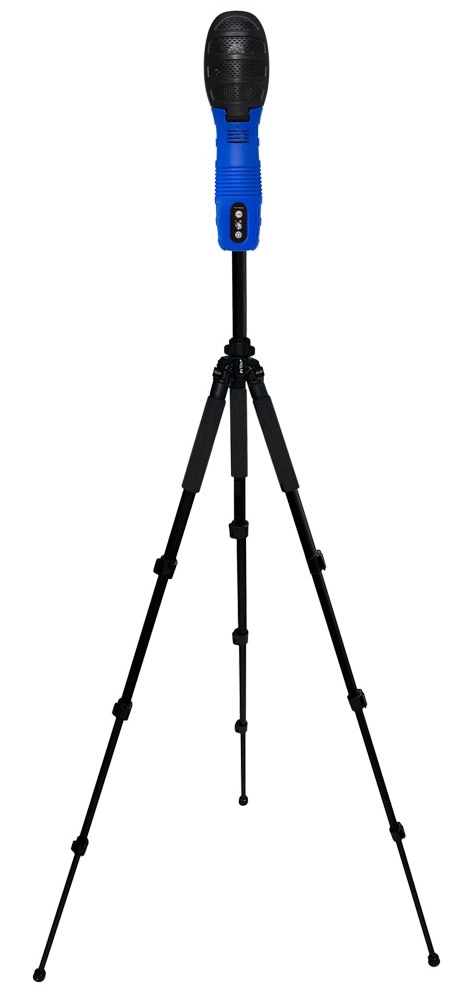
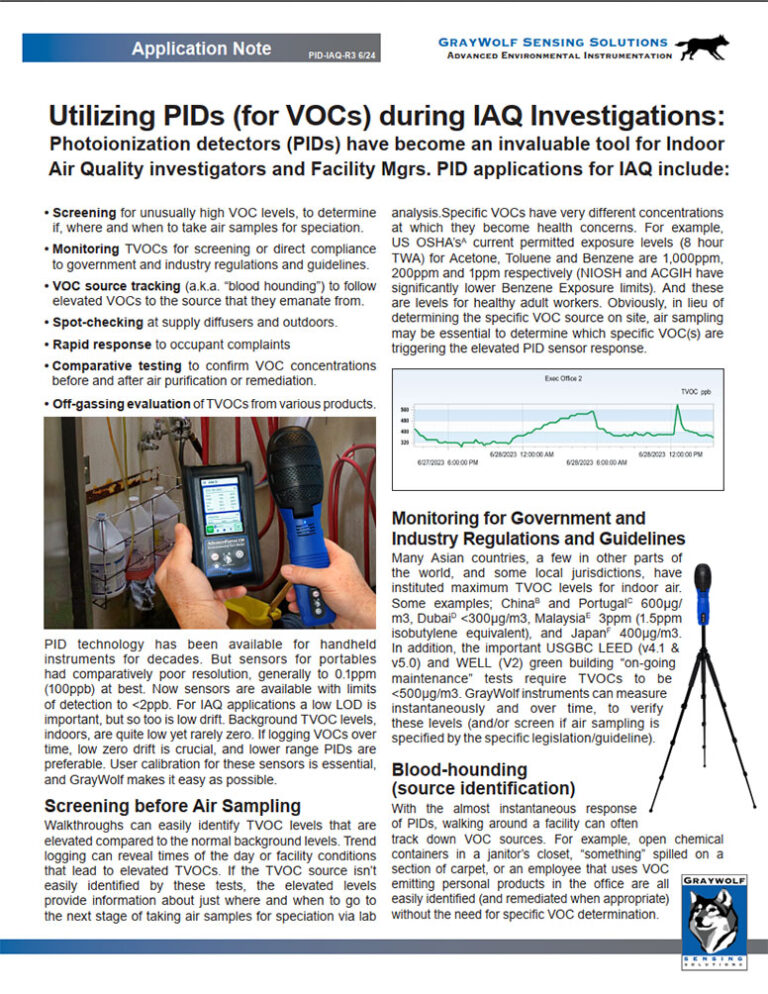
Photoionization detectors (PIDs) have become an invaluable tool for Indoor Air Quality investigators and Facility Mgrs. PID applications for IAQ include:

  • Screening for unusually high VOC levels, to determine if, where and when to take air samples for speciation.
  • Monitoring TVOCs for screening or direct compliance to government and industry regulations and guidelines.
  • VOC source tracking (a.k.a. “blood hounding”) to follow elevated VOCs to the source that they emanate from.
  • Spot-checking at supply diffusers and outdoors.
  • Rapid response to occupant complaints.
  • Comparative testing to confirm VOC concentrations before and after air purification or remediation.
  • Off-gassing evaluation of TVOCs from various products.

PID technology has been available for handheld instruments for decades. But sensors for portables had comparatively poor resolution, generally to 0.1ppm (100ppb) at best. Now sensors are available with limits of detection to <2ppb. For IAQ applications a low LOD is important, but so too is low drift. Background TVOC levels, indoors, are quite low yet rarely zero. If logging VOCs over time, low zero drift is crucial, and lower range PIDs are preferable. User calibration for these sensors is essential, and GrayWolf makes it easy as possible.

Screening before Air Sampling

Walkthroughs can easily identify TVOC levels that are elevated compared to the normal background levels. Trend logging can reveal times of the day or facility conditions that lead to elevated TVOCs. If the TVOC source isn’t easily identified by these tests, the elevated levels provide information about just where and when to go to the next stage of taking air samples for speciation via lab analysis. Specific VOCs have very different concentrations at which they become health concerns. For example, US OSHA’s1 current permitted exposure levels (8 hour TWA) for Acetone, Toluene and Benzene are 1,000ppm, 200ppm and 1ppm respectively (NIOSH and ACGIH have significantly lower Benzene Exposure limits). And these are levels for healthy adult workers. Obviously, in lieu of determining the specific VOC source on site, air sampling may be essential to determine which specific VOC(s) are triggering the elevated PID sensor response.

Monitoring for Government and Industry Regulations and Guidelines

Many Asian countries, a few in other parts of the world, and some local jurisdictions, have instituted maximum TVOC levels for indoor air. Some examples; China2 and Portugal3 600μg/ m3, Dubai4 <300μg/m3, Malaysia5 3ppm (1.5ppm isobutylene equivalent), and Japan6 400μg/m3. In addition, the important USGBC LEED (v4.1 & v5.0) and WELL (V2) green building “on-going maintenance” tests require TVOCs to be <500μg/m3. GrayWolf instruments can measure instantaneously and over time, to verify these levels (and/or screen if air sampling is specified by the specific legislation/guideline).

Blood-hounding (source identification)

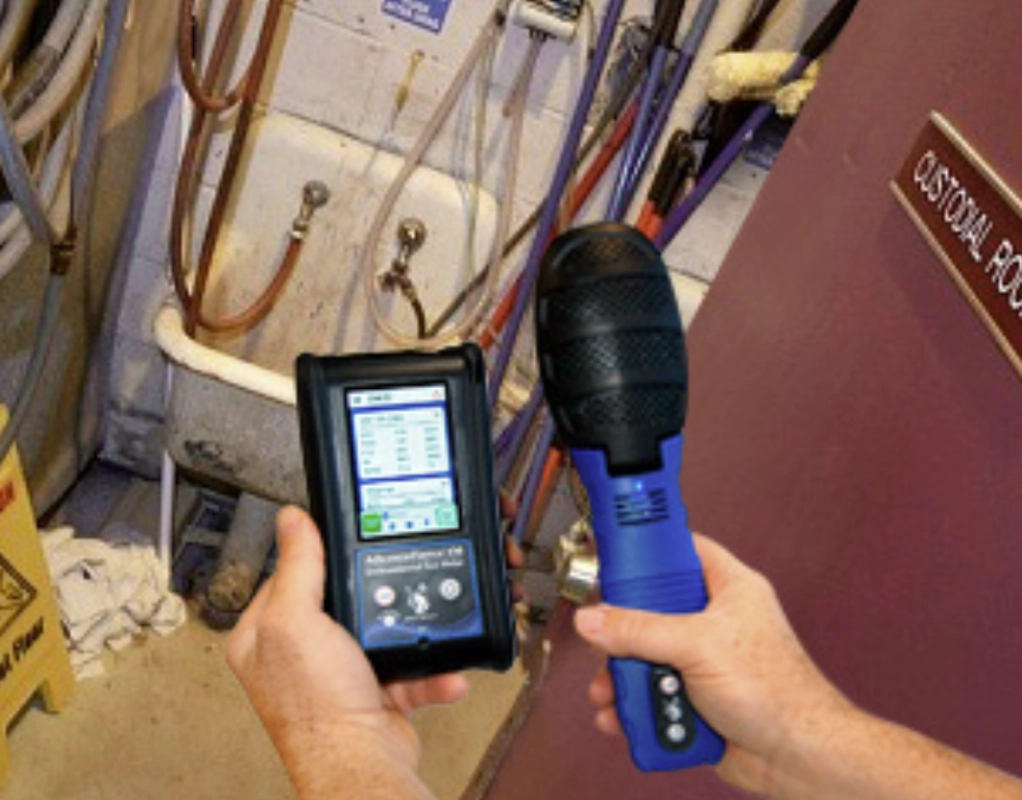
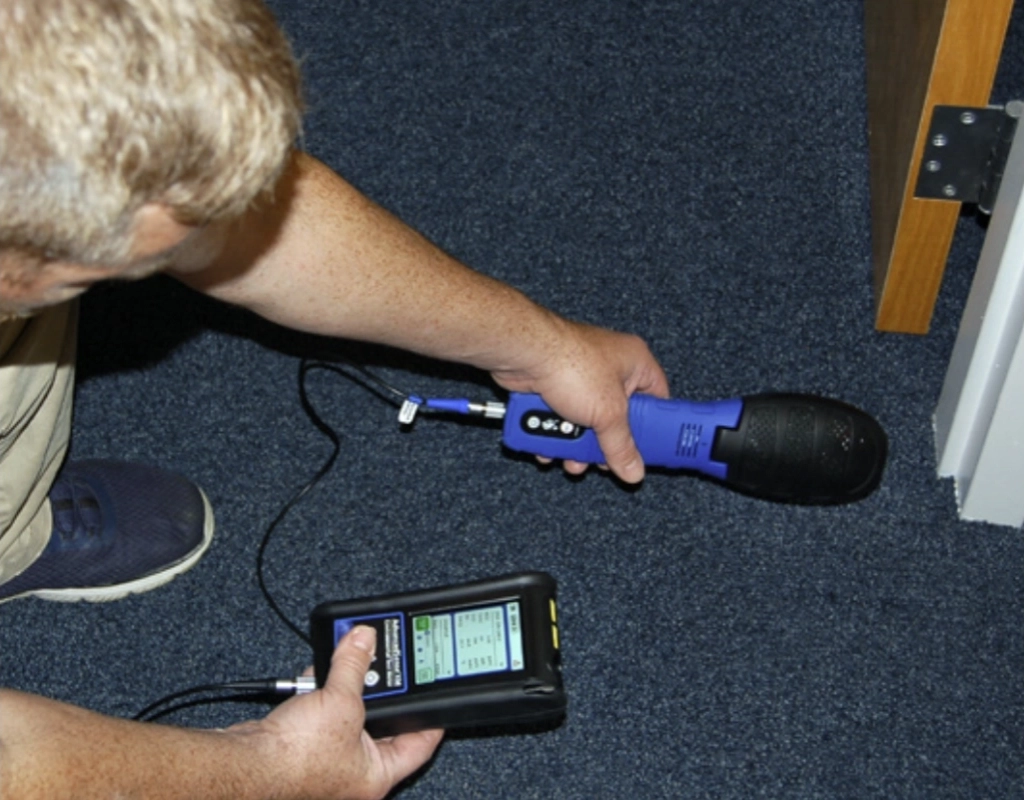
With the almost instantaneous response of PIDs, walking around a facility can often track down VOC sources. For example, open chemical containers in a janitor’s closet, “something” spilled on a section of carpet, or an employee that uses VOC emitting personal products in the office are all easily identified (and remediated when appropriate) without the need for specific VOC determination.

Example Case:

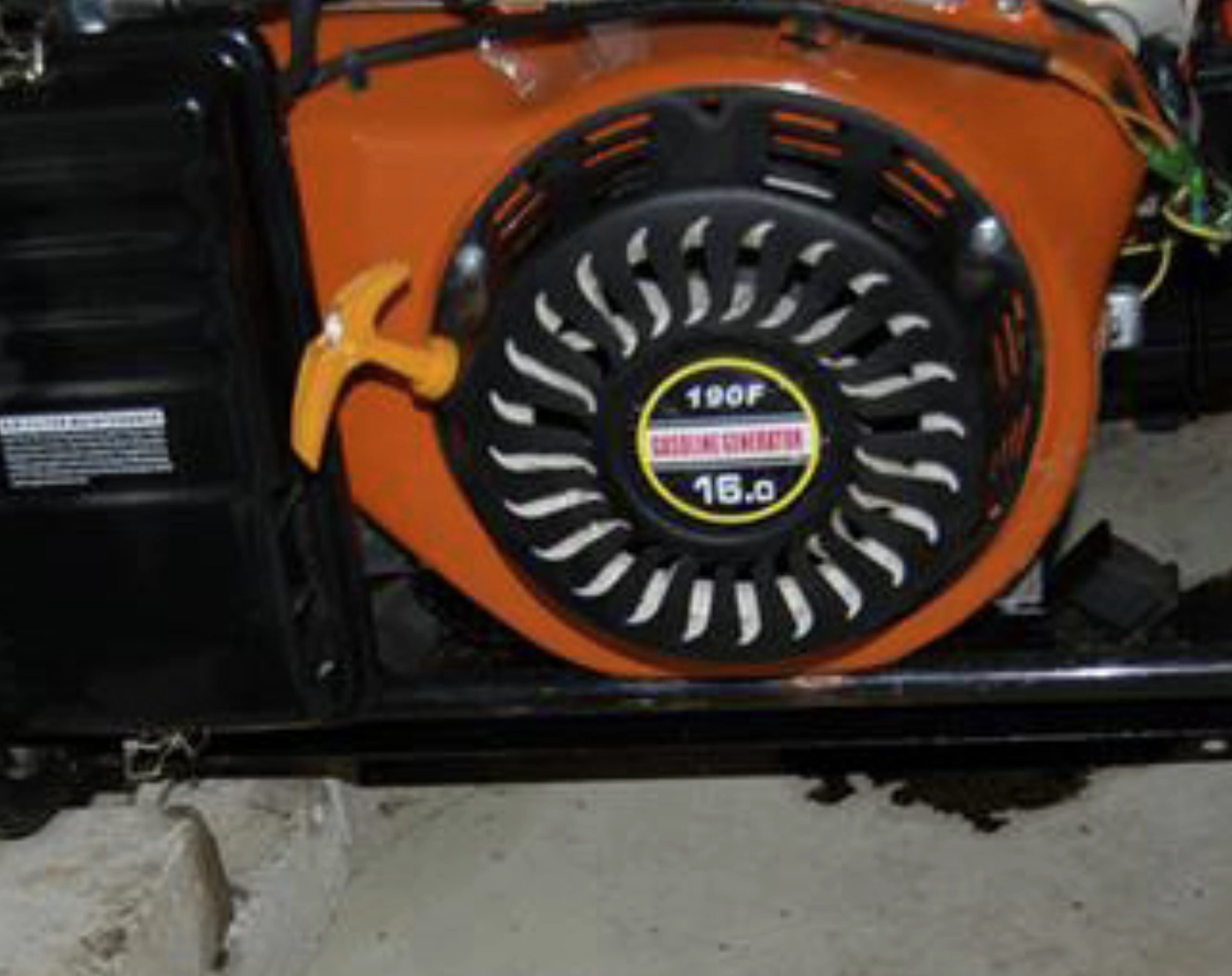
A complaint of a strong “vinegar” smell in an attached, residential garage leads to a visual inspection that doesn’t reveal an obvious source. A handheld PID immediately shows exceptionally high >25,000ppb levels in the garage. Tests show roughly 2,000ppb in the rest of the residence, so opening the windows, regardless of outside temperatures, was immediately advisable. Opening the garage door quickly drops TVOC readings to 1,200ppb, while various cabinets and storage bins still read ~8,000ppb as their air hasn’t diluted as rapidly. But by poking the probe around, >10,000ppb concentrations are identified near a portable generator, where it’s quickly recognized that a gasoline leak in the back, but hidden by clutter, has dripped, and pooled into a gap along the foundation. Although the high levels in the garage were not above worker exposure levels7 for gasoline, this was a home with young children where such levels, and even the 2,000ppb levels throughout the residence, certainly wouldn’t be considered healthful. This situation was simple to remediate, without any need for expensive lab testing.

Spot-Checking at Supply Diffusers and Outdoors

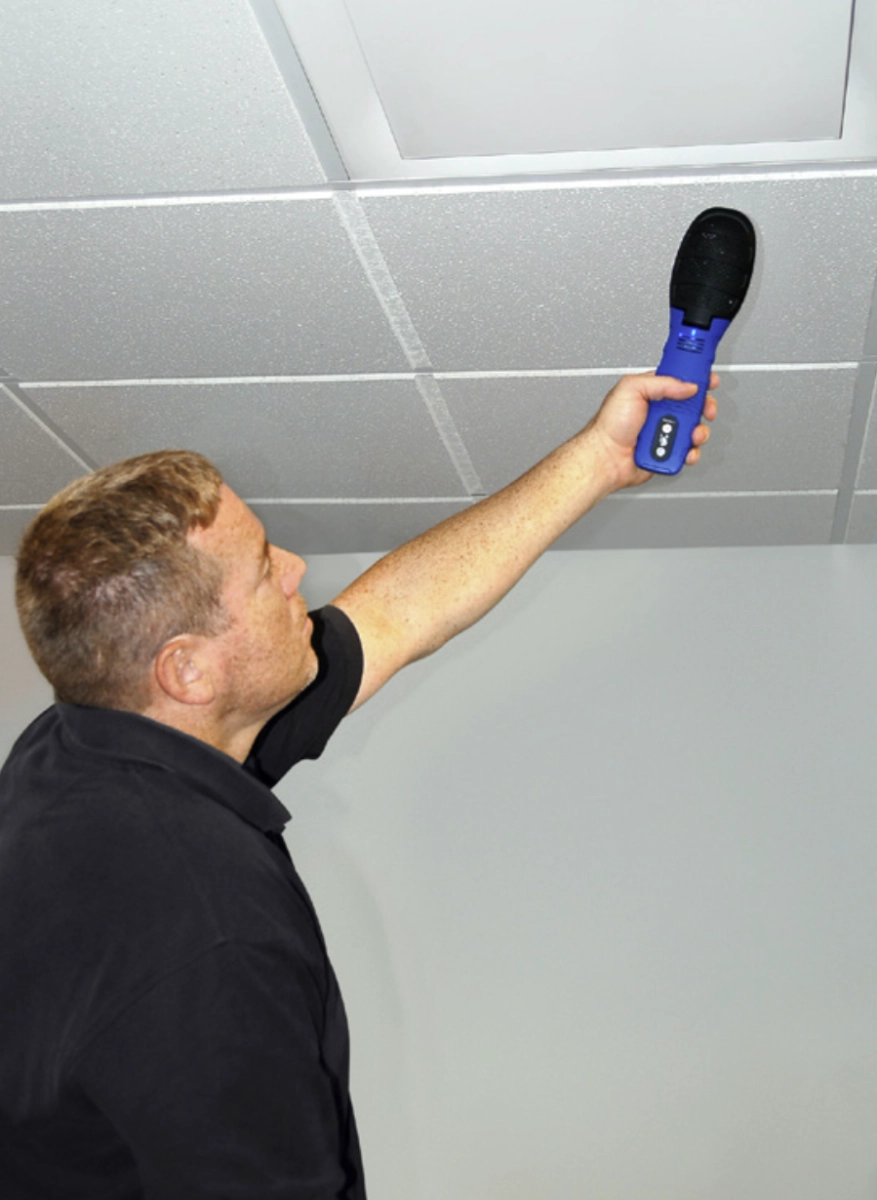
Quickly spot-check supply diffusers to determine if the incoming ventilation air contains elevated VOCs. If so, also spot-check the outdoor air concentration (OA) to decide if the OA is the source. If not, further investigation will likely determine how the VOCs are entering the supply air.

Quick Response to Low-Cost Sensor Alerts

Inexpensive devices for measuring VOCs are readily available on the market. Many will display simplistic happy/sad faces or green/red colors dependent on the readings from their low-cost, slow response (e.g., metal oxide) sensors. Building occupants may be utilizing consumer-grade devices and raising concerns due to what may be inaccurate “red/unhappy” readings. Such sensors have strong cross-interference with common combustion gasses which are often elevated at ppm levels (e.g., CO, NO2). Further, most standards refer to “non-methane (CH4) TVOCs” as background levels are (~1900ppb and rising), but MOx sensors do respond to this varying VOC. GrayWolf’s high-end PID sensors are not influenced by such gasses and provide a professional-grade instrument for rapid, real-time response to occupant complaints.

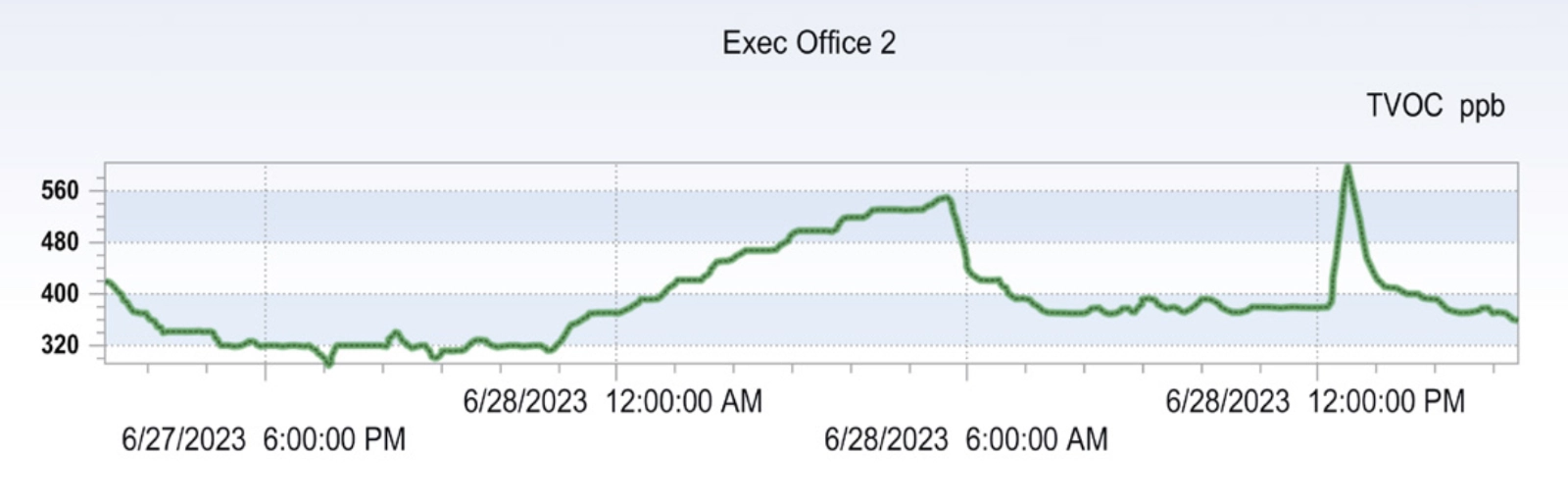
Comparative TVOC Testing (before and after)

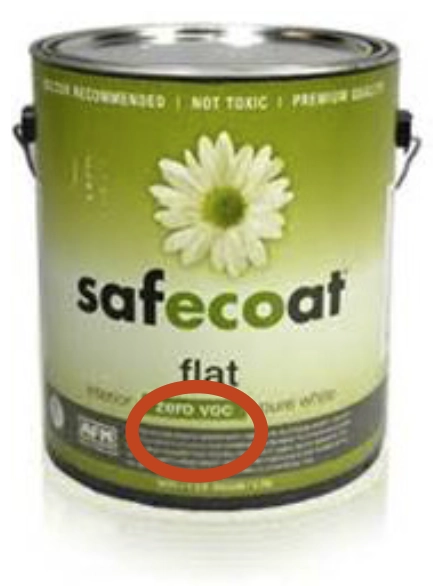
If you have cleaned up a spill or replaced suspected off-gassing carpet, insulation material, paint, etc. with a low emitting product, check readings before and after remediation. Test before and after using an air cleaning system, whether a simple portable device or a sophisticated, installed system. Many contractors and manufacturers use PIDs in the process of selling their own services or air treatment equipment.

Basic Evaluation of Off-Gassing

Organizations such as ASTM, ISO and the California State EPA have specific protocols to test off-gassing of VOCs from building materials (in environmental chambers). While it certainly doesn’t replace such detailed methods, a PID can allow for a very simple verification test before you invest in that particle-board, carpeting, etc. with a quick check of the material in the warehouse, or upon unpacking. Check the TVOC level after the product is installed in one area, ahead of proceeding with the full facility. Also test for unexpected elevated TVOCs after construction/ installation to determine if extra ventilation and/or time might be appropriate preoccupancy.

  1. US OSHA 1910.1000 Table Z-1 Limits for Air Contaminants
  2. China Ministry of Environmental Protection, GB/T 18883-2002
  3. Portugal Ministério Das Obras Públicas,Transportes E Comunicações Decreto-Lei n.o 79/2006
  4. Green Building Regulations and Specifications in the Emirate of Dubai, 2023.
  5. Malaysia DOSH Industry Code Of Practice On Indoor Air Quality 2010, JKKPDP(S)127/379/4-39
  6. Japan Ministry of Health, Labour and Welfare (MHLW), 2002.
  7. US OSHA has no PEL for gasoline. However, the ACGIH TLV is 300ppm 8hr TWA, 2019
“Our agency has utilized GrayWolf devices for several decades, and they have been instrumental in improving indoor air quality and overall health conditions. Their state-of-the-art technology has empowered us to identify airborne hazards with precision, enabling more informed decisions to enhance our environment. We are also incredibly grateful for their exceptional staff; the service and technical support we receive are truly second to none.”
Derek J. Falzoi, CIH