In Vitro Fertilization (IVF) is the most effective form of reproductive technology to treat infertility or genetic problems1. Roughly 85,000 women in the US go to IVF labs annually for treatment2. IVF labs can perform preimplantation genetic diagnosis and screening, intracytoplasmic sperm injection (ICSI) for male infertility, assisted hatching, and sperm and egg freezing and storing.
There are many factors that differentiate IVF labs, determining their success rate; experience, standard operating procedures, quality of equipment, quality of air filtration system, overall lab air quality, light and temperature control. IVF labs are very sensitive environments where everything from the petri dishes, incubators, pipettes, and air filtration systems have an impact. These items are selected for the best success rate and can be the ultimate catalyst for success (or failure). With an average success rate of about 40% and each attempt costing around $20,0003, every factor can have a significant financial and physical impact.
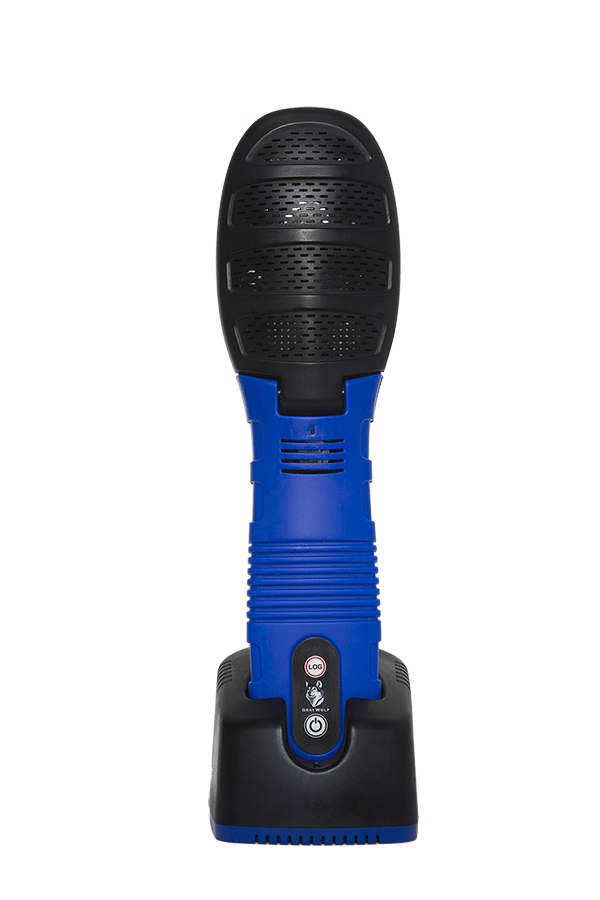
Indoor Air Quality (IAQ) in labs has quite a large influence on the health and viability of embryos. Any volatile organic compounds (VOCs) or particulates that are present can be harmful to embryos. VOCs can be present from various materials in the lab, from building materials, paints, furniture, lab equipment, staff/occupants and cleaning products, to name a few. A study has shown that VOC concentrations are generally higher in IVF labs and in incubators than in outdoor ambient air or in the average home4.
Controlling the IAQ in IVF labs has been proven to have better success rates for fertilization and embryo developmentL5. ESHRE (European Society of Human Reproduction and Embryology) calls for IAQ to be monitored regularly, and for labs to be positively pressurized and have high efficiency particulate air (HEPA) filters and VOC control6. There are many different techniques and devices available to reduce the particulates and VOCs, such as utilizing HEPA filters, carbon filters, and UV light. Refer to the GrayWolf Application Note; Performance Verification of Indoor Air Purification/Filtration Products for more information.
The DP-702LH differential pressure sensor that GrayWolf offers is auto-zeroing, and utilizes dual integrated auto-ranging sensors (0.0-250 Pa and 0-10 Kpa) to enable a wide measurement range, yet exceptional low-end sensitivity and accuracy; down to +/- 0.1Pa (+/-0.002 in H2O) at zero. This is the perfect unit to ensure that the balance between the lab and adjoining areas is always positively pressurized to control the pollutant pathway.
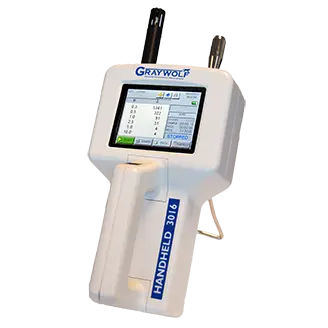
GrayWolf’s six channel particulate meters can display and log particle counts and/or mass concentrations in the lab. This will demonstrate that HEPA filters are still efficient and indicate when they may need replacement.
GrayWolf’s AS-201A telescoping, articulating air velocity probes, with industry-leading low range accuracy, can be utilized to ensure that fume hoods are properly balanced at all times in the lab. See GrayWolf’s Fume Hood Calibration, Face Velocity Testing Application Note for more information.
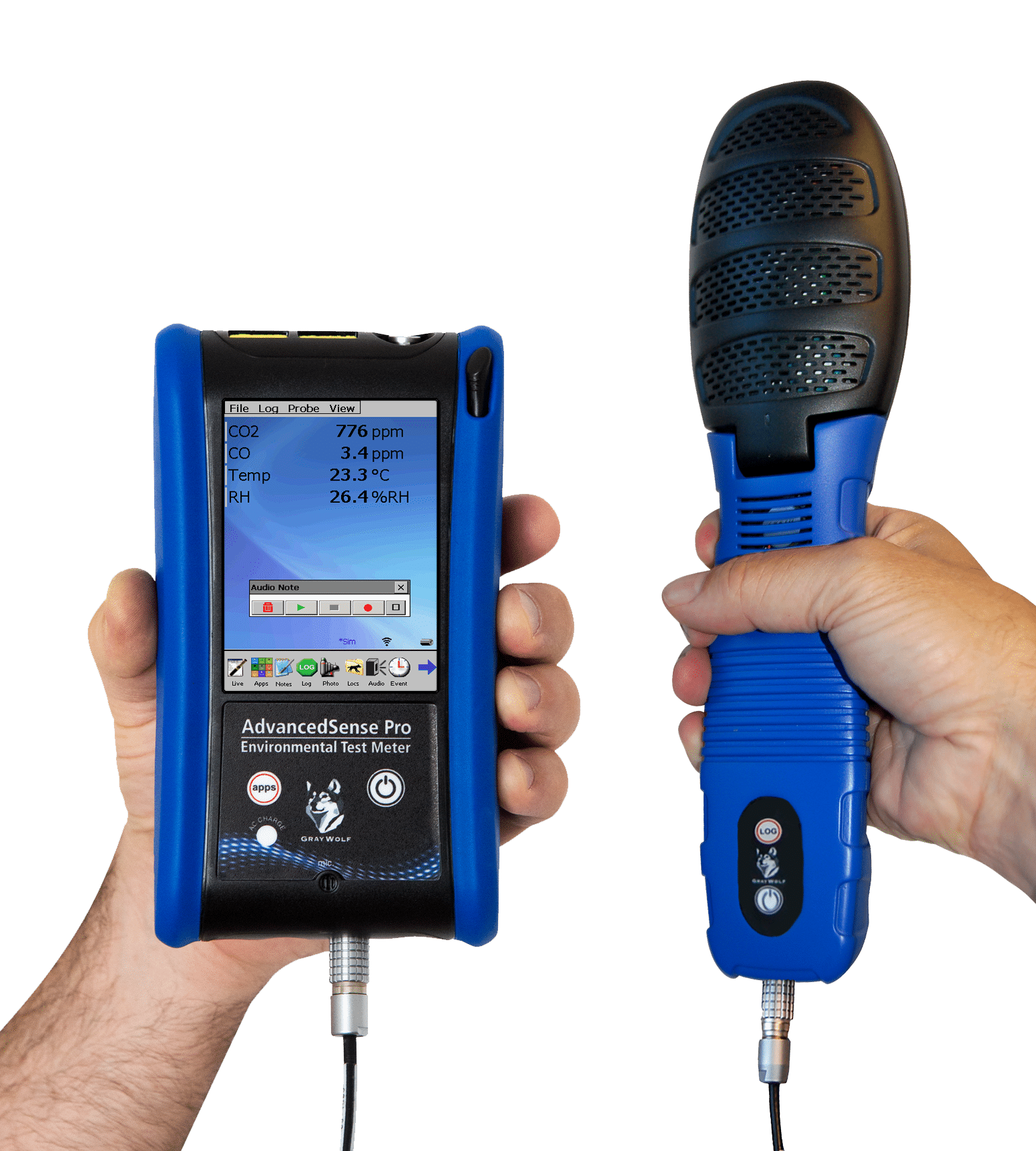
GrayWolf allows the simultaneous monitoring of all IAQ parameters with a single meter for ease of data display, capture and reporting. In addition, there is the ability to use GrayWolfLive™ cloud-based application software for remote access to data and alerts. This enables real-time access, via smart phones or other devices, to data in tabular and graphic formats, as well as a message (text and/or email) to be sent to selected recipients once high or low thresholds are exceeded. GrayWolf has a vertical distributor in the IVF market that has handled the IVF market for GrayWolf products for many years and who provides market-specific support. Contact GrayWolf via phone at +1-203-402-0477 or via e-mail at Salesteam@GrayWolfSensing.com for more information.